
Board games for young children are no longer limited to simple dice and colorful paths. Some ask children to count, some require careful matching, and others make them wait for a surprising action to happen. That variety makes Junior Board Games interesting for families who want more than another toy that sits on the shelf. A three-year-old who enjoys counting may want a very different game from an eight-year-old who loves solving mysteries.
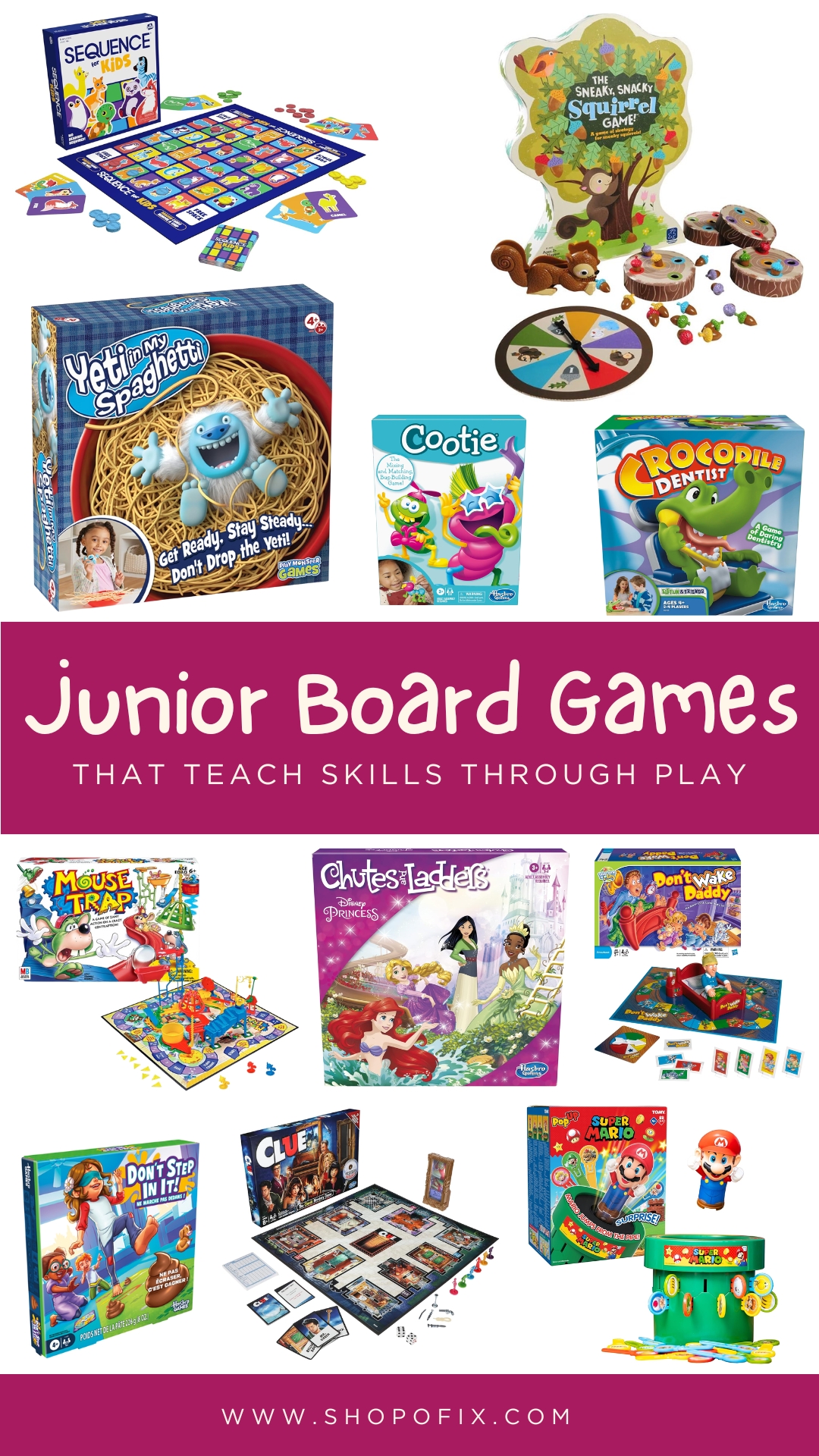
Some games also work better with siblings, parents, or friends because the fun comes from taking turns and reacting to other players. The 16 games below cover several play styles, from early counting and color matching to deduction, construction, and fast hand reactions. Instead of asking which game is the most educational, it makes more sense to ask what kind of experience your child will actually enjoy playing again.
Junior Board Games
Recommendation Products
1. Candy Land Kingdom of Sweet Adventures

A colorful path can make a first board game much easier for young children to understand. Candy Land Kingdom of Sweet Adventures uses a bright game board, colored cards, and gingerbread character movers for children aged three and up. Players follow the path by matching the colors shown on their cards. The simple structure gives young players a clear way to participate without complicated game rules.
The game also gives siblings an easy activity to share. Children can take turns moving their character and watch how the other players progress across the board. The set includes four plastic character pawns and durable card components for repeated family play. For children who are still learning basic board game routines, the color-based format provides a straightforward introduction.
- Recommended Product: Candy Land Kingdom of Sweet Adventures
2. Spidey and His Amazing Friends Yahtzee Jr.
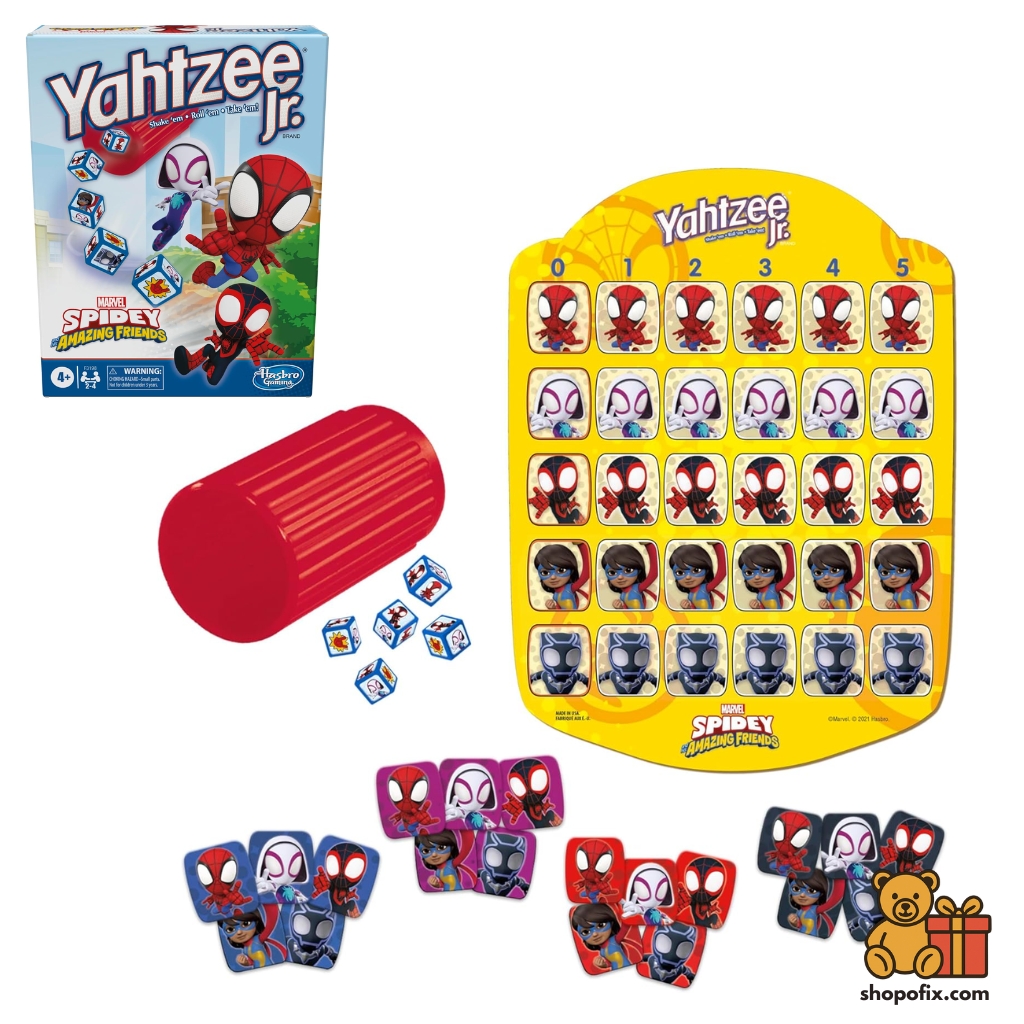
Dice games can feel more exciting when children already know the characters. Spidey and His Amazing Friends Yahtzee Jr. includes five character dice, a dice cup, a scoreboard pad, and a pencil for young Marvel fans aged four and up. Children shake the dice and work with the pictures they roll during the game. The familiar Spidey theme adds a strong character element to the basic dice format.
The game also introduces children to simple scoring. Players need to pay attention to their dice and make choices during each round. The compact pieces make the game easy to place on a small table or store on a shelf after play. It can be a fun choice for children who enjoy superheroes but are ready to try a game with more structure than simple matching.
- Recommended Product: Spidey and His Amazing Friends Yahtzee Jr.
3. Hi Ho Cherry-O

Counting becomes part of the game when children have to collect fruit from their own trees. Hi Ho Cherry-O includes a spinner board, four fruit trees, pretend fruit pieces, and collection buckets. Players use the game mechanics to add or remove fruit while moving through their turns. The format gives preschoolers aged three and up a simple way to practice basic number concepts.
The physical fruit pieces also make the activity more hands-on than a worksheet. Children can see how the number of pieces changes as the game continues. The compact board can fit comfortably on a table, making it easy to set up for a short family game. For young children who are beginning to understand counting and simple addition or subtraction, the game connects those ideas with play.
- Recommended Product: Hi Ho Cherry-O
4. Yeti in My Spaghetti
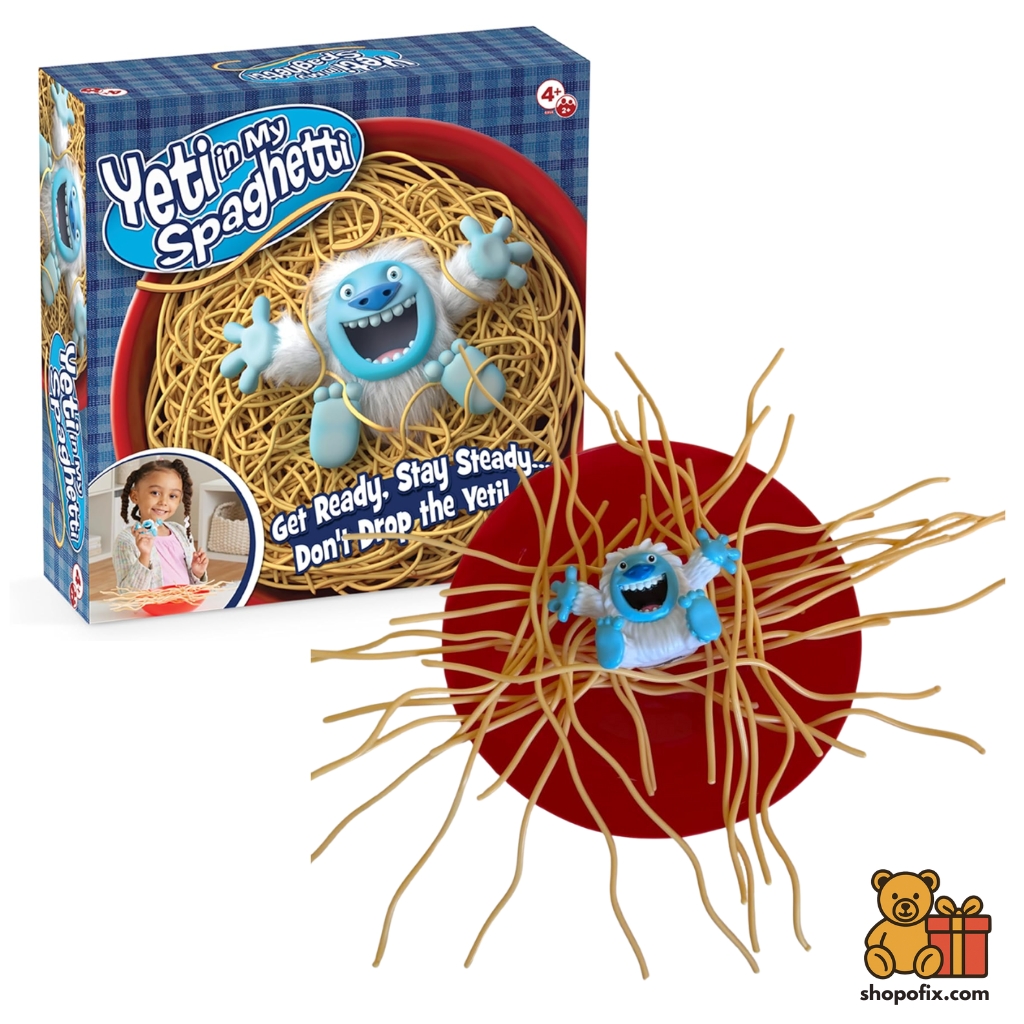
Some games do not need a large board to create a challenge. Yeti in My Spaghetti uses a red bowl, white spaghetti strands, and a small yeti figure to create a hands-on problem. Players interact with the strands and try to manage the setup without losing control of the game. The unusual design gives children a reason to look closely at how each piece is positioned.
The activity focuses more on physical problem-solving than traditional board movement. Children need to use their hands carefully while watching how the spaghetti pieces interact. The compact components also make the game easier to take along for family trips. For children who enjoy puzzles but want something they can physically manipulate, this game offers a different type of challenge.
- Recommended Product: Yeti in My Spaghetti
5. Clue

Older children may want a game where the main challenge comes from figuring something out. Clue introduces a mystery format with a mansion board, character suspects, a confidential envelope, weapon tokens, dice, and note materials. Players gather information and use their notes as they work through the mystery. The game is intended for children aged eight and older according to the supplied product information.
The note-taking element gives the game a different pace from simple racing games. Players need to remember information and consider what they already know before making another guess. The mansion setting also gives children a clear story around the game. For young players who enjoy mysteries and detective-style activities, it offers a more involved family game experience.
- Recommended Product: Clue
6. Cootie Mixing and Matching Bug
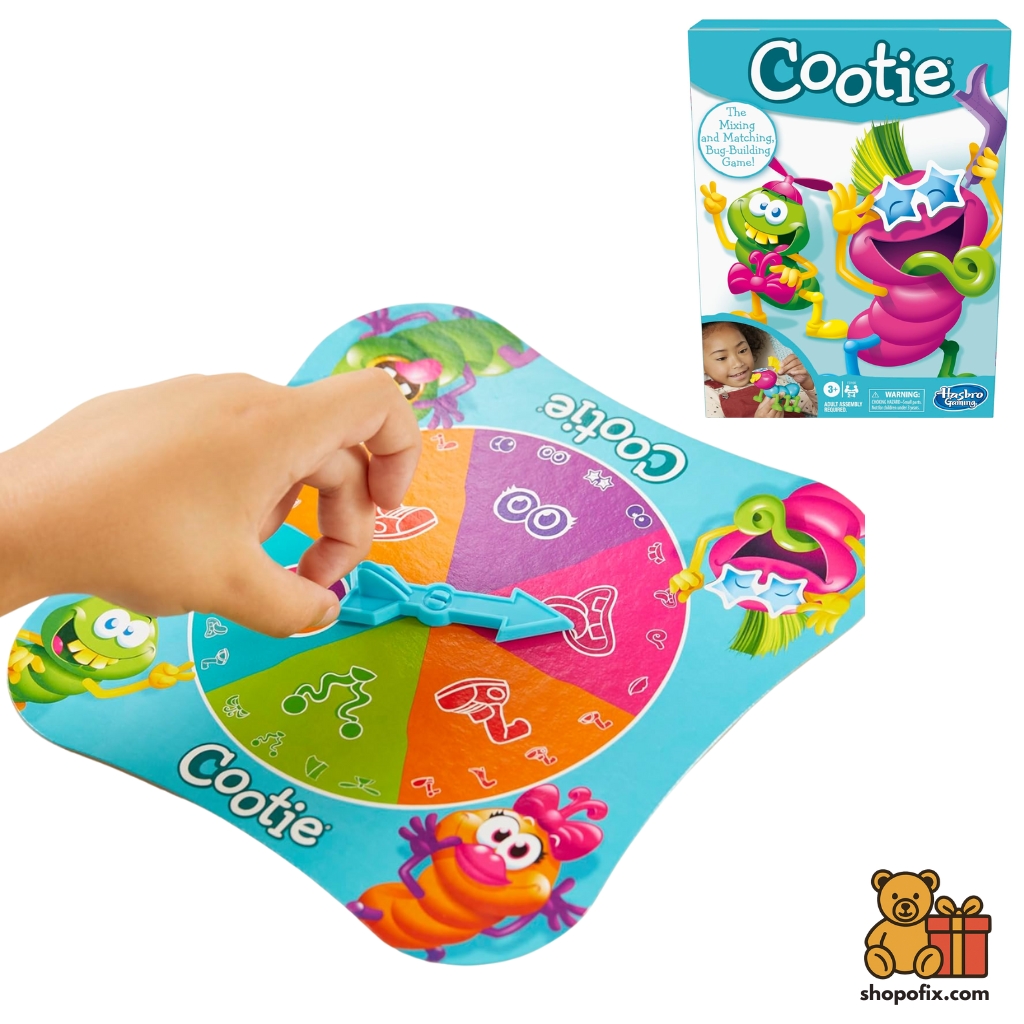
Building a funny bug can be just as engaging as moving pieces around a traditional board. Cootie Mixing and Matching Bug gives children colorful bug body parts, click-on legs, eye accessories, and a game die. Players can combine the pieces to create different bugs while taking part in the game. The matching format makes it suitable for children aged three and up who enjoy assembling colorful objects.
The removable parts also give the activity a strong hands-on element. Children can compare colors and shapes while deciding which pieces belong together. Playing with siblings creates opportunities for taking turns and sharing the available parts. For younger children who are not ready for complicated rules, the simple bug-building concept gives them an accessible way to join a tabletop activity.
- Recommended Product: Cootie Mixing and Matching Bug
7. Hungry Hungry Hippos Dino Edition
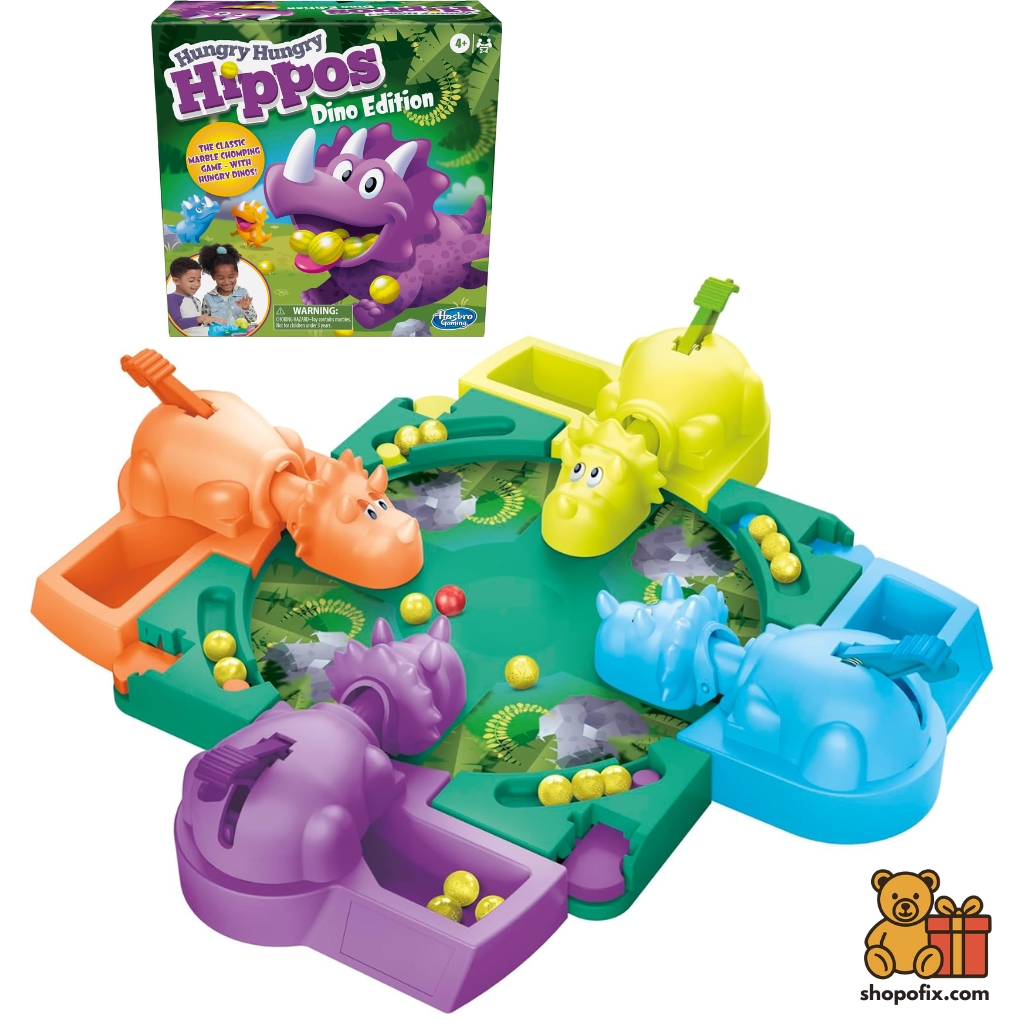
Some junior games are designed for children who want action rather than quiet turns. Hungry Hungry Hippos Dino Edition adds dinosaurs to the classic fast-action feeding concept. The set includes four dinosaur frames, a marble play area, plastic marbles, and manual trigger levers. Children aged four and up can use the levers to make their dinosaurs snap toward the marbles.
The physical movement makes this game very different from a traditional board path. Players need to react quickly while watching the marbles move across the playing area. The setup can also work for siblings who enjoy playing together and sharing the game pieces. If your child likes pressing, grabbing, and reacting instead of waiting through long turns, this format may hold their attention better.
- Recommended Product: Hungry Hungry Hippos Dino Edition
8. Don’t Wake Daddy

Waiting for a surprise can become the main part of the game in Don’t Wake Daddy. The set features a bedroom frame, electronic alert button, player pawns, and a color spinner. Children aged four and up move along the path while trying to complete their game without triggering the sleeping dad figure. The sudden action gives each turn an element of anticipation.
The game also uses a simple house-exploration theme that young players can understand quickly. Children move their pawns while watching for the moment when the electronic figure might react. Its pieces can be stored together when the game is finished. For children who enjoy surprise-based games and playful suspense, the format offers something different from counting or matching games.
- Recommended Product: Don’t Wake Daddy
9. TOMY Pop Up Super Mario
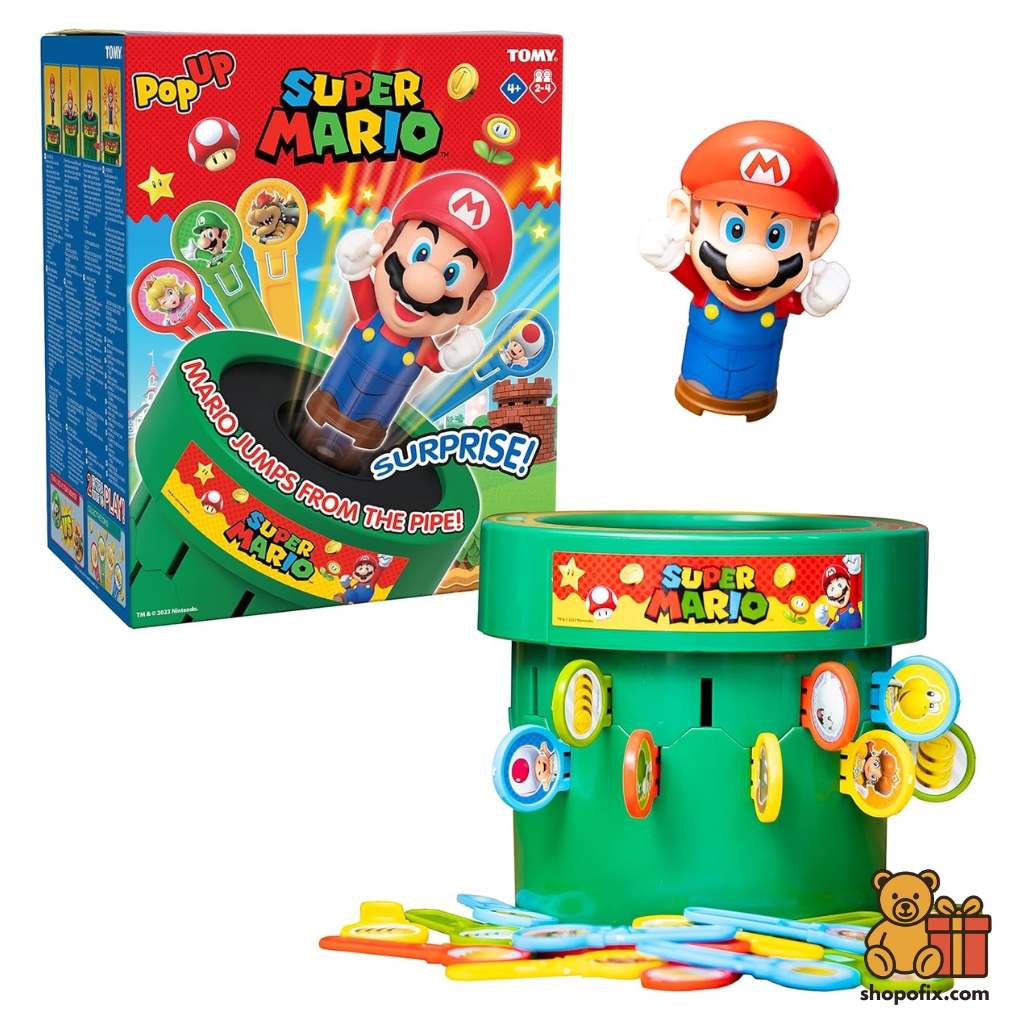
A familiar video game character can make a simple action game more exciting for young players. TOMY Pop Up Super Mario features a plastic barrel, a spring-loaded Mario figure, and colorful plastic swords. Players place the swords into the barrel and wait to see when Mario will pop up. The surprise mechanic creates a quick game that does not require a long setup.
The colored swords also give children several pieces to handle during each round. Players can take turns inserting the swords while watching what happens next. The compact barrel design makes storage simple because the pieces can stay together with the game. Mario fans who enjoy surprise and reaction games may find this format easy to pick up.
- Recommended Product: TOMY Pop Up Super Mario
10. Don’t Step in It!
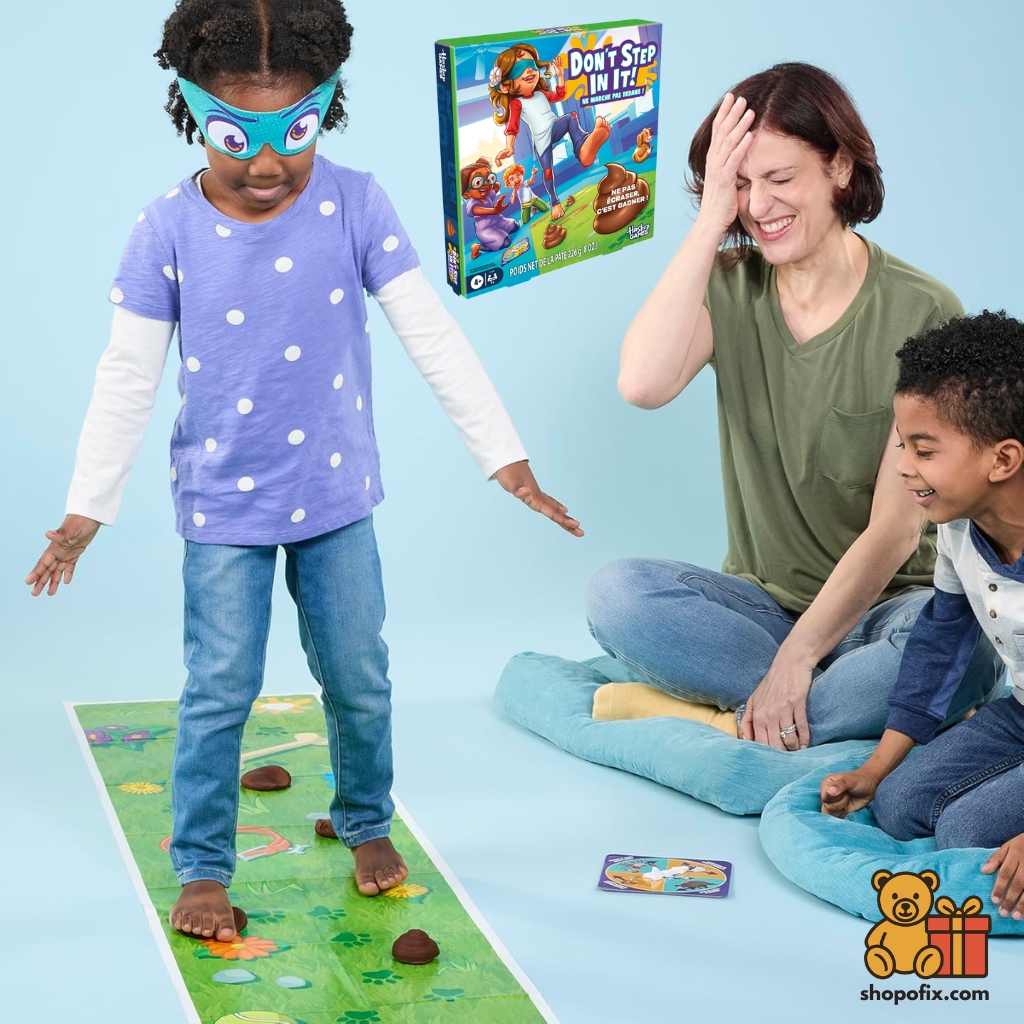
This game takes the board game idea away from the table. Don’t Step in It! includes a long walk mat, soft clay pieces, a blindfold, and a spinner. Children move along the path while trying to avoid the objects placed on the mat. The physical setup makes the game suitable for active children aged four and up who want to move around during play.
The blindfold changes how children approach each step. Players need to pay attention to the instructions and their movement instead of simply looking at the path. The lightweight mat can also be stored back inside its box after the game. For families who want a game that gets children away from the table, this product offers a very different play format.
- Recommended Product: Don’t Step in It!
11. Chutes and Ladders: Disney Princess Edition

A familiar princess theme can make a simple counting path more appealing to young players. Chutes and Ladders: Disney Princess Edition includes a large themed board, an arrow spinner, and four character bases. Children aged three and up move along the numbered path according to the spinner. The game gives young players an easy way to practice following spaces and counting as they play.
The board format also makes turn-taking easy to understand. Each player spins, moves, and waits for the next person to take a turn. The Disney Princess theme adds visual interest without making the game rules difficult to follow. For children who are still learning how numbered board paths work, the familiar format provides a simple starting point.
- Recommended Product: Chutes and Ladders: Disney Princess Edition
12. Crocodile Dentist
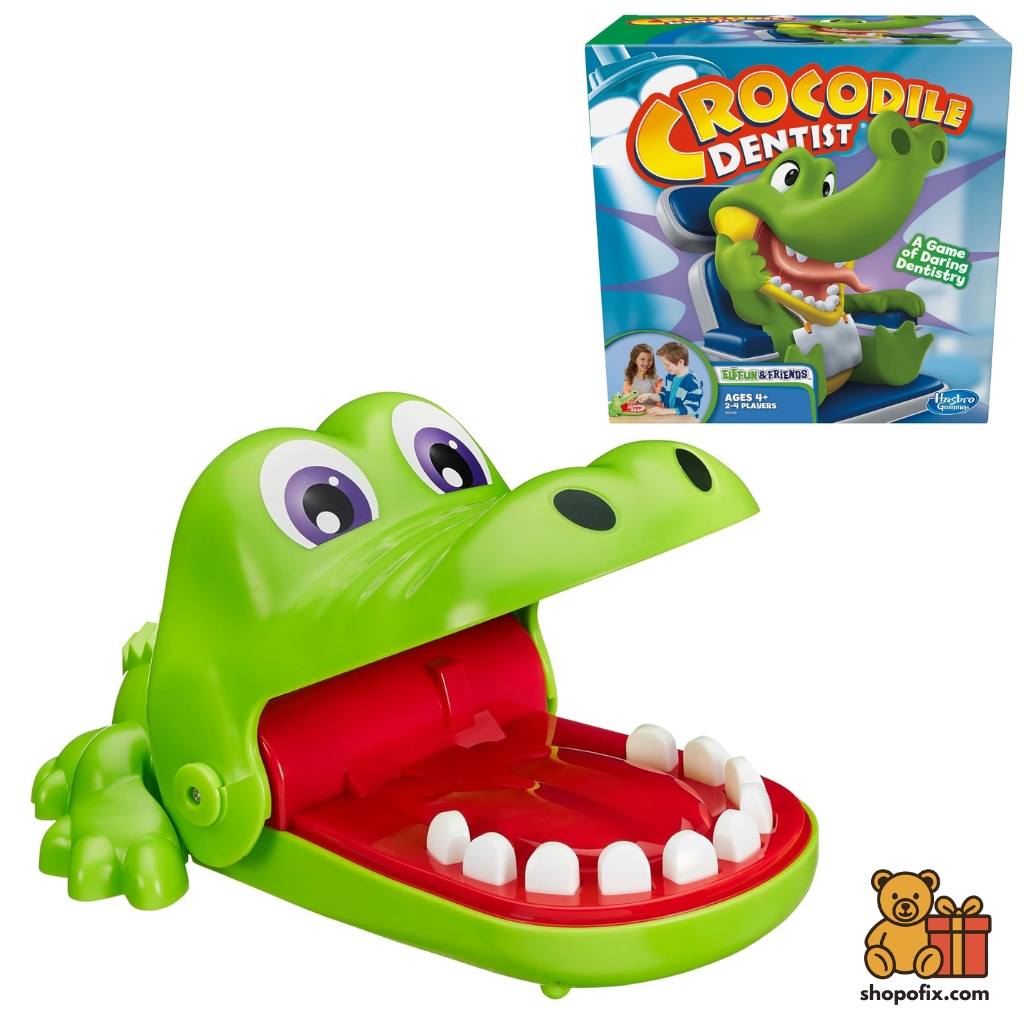
Not every junior game needs cards or a large board. Crocodile Dentist uses a green crocodile jaw with mechanical teeth and a spring mechanism. Players press down the teeth during the game and wait for the unexpected reaction. The simple action makes the game easy to understand and creates a quick reaction-based experience.
The crocodile design also gives the game a strong visual identity. Children can take turns choosing which tooth to press while watching the crocodile closely. The game works best on a flat surface where the crocodile can remain stable during play. For children who enjoy surprise and quick hand actions, this game provides a simple alternative to traditional board games.
- Recommended Product: Crocodile Dentist
13. Pop Up Pirate

A pirate and a barrel give this game a simple story that children can understand immediately. Pop Up Pirate includes a pirate figure, barrel, and 24 colorful swords for players aged four and up. Children take turns inserting the swords into the barrel while waiting for the pirate to pop up. The suspense comes from not knowing which turn will trigger the spring mechanism.
The colorful swords also make the game easy to divide between players. Each round can move quickly, which helps keep the focus on the action. The compact design means the game does not require a large playing area. Children who enjoy surprise games may like the simple routine of inserting a sword and waiting for the result.
- Recommended Product: Pop Up Pirate
14. Mouse Trap

Mouse Trap adds construction to the board game experience. The set includes a large game board, 24 contraption parts, four mouse models, and cheese tokens. Children aged six and up can interact with the different components while playing through the game. The mechanical design makes the setup itself part of the experience.
Building the contraption requires more attention than simply moving a pawn around a board. Children can see how the different parts connect as they work through the game. The combination of construction and gameplay gives the product a distinct role in a junior board game collection. It may appeal to children who enjoy building objects as much as they enjoy playing the finished game.
- Recommended Product: Mouse Trap
15. The Sneaky, Snacky Squirrel

Color matching becomes the main activity in The Sneaky, Snacky Squirrel. The set includes a woodland board, squirrel squeezing tool, colored acorns, log containers, and a color wheel spinner. Children aged three and up use the pieces to match colors during the game. The squirrel tool also gives them a physical way to pick up and move the small acorns.
The game combines color recognition with hands-on movement. Children can sort the acorns into the matching areas while taking turns with the spinner. Its compact size makes it easy to set up on a small table. For preschoolers who enjoy animals, colorful objects, and simple matching games, the format gives them several things to interact with.
- Recommended Product: The Sneaky, Snacky Squirrel
16. Jax SEQUENCE

Some children are ready to move beyond simple color matching and try a game that involves planning. Jax SEQUENCE uses an animal-themed board, colorful cards, token chips, and instructions. Players work with the cards and place matching tokens on the board as they try to create a sequence. The game introduces a more structured strategy format while keeping the visual theme accessible to children.
The board also gives players a clear target to work toward. Children need to look at their cards and decide where their tokens should go. Taking turns with cards and chips creates a different experience from fast reaction games such as Pop Up Pirate. For children who enjoy patterns and matching but are ready for a more strategic format, this game offers another step in the junior board game category.
- Recommended Product: Jax SEQUENCE
Finding the right introductory games for our little ones is all about keeping the rules simple, the colors bright, and the playtime super engaging. If you also have younger babies or toddlers at home who prefer learning their early sounds and speech milestones through cheerful role-play, we know exactly what you need next. Be sure to check out these amazing ms rachel toys that make early learning feel like pure fun!
Junior Board Games Are Not All the Same
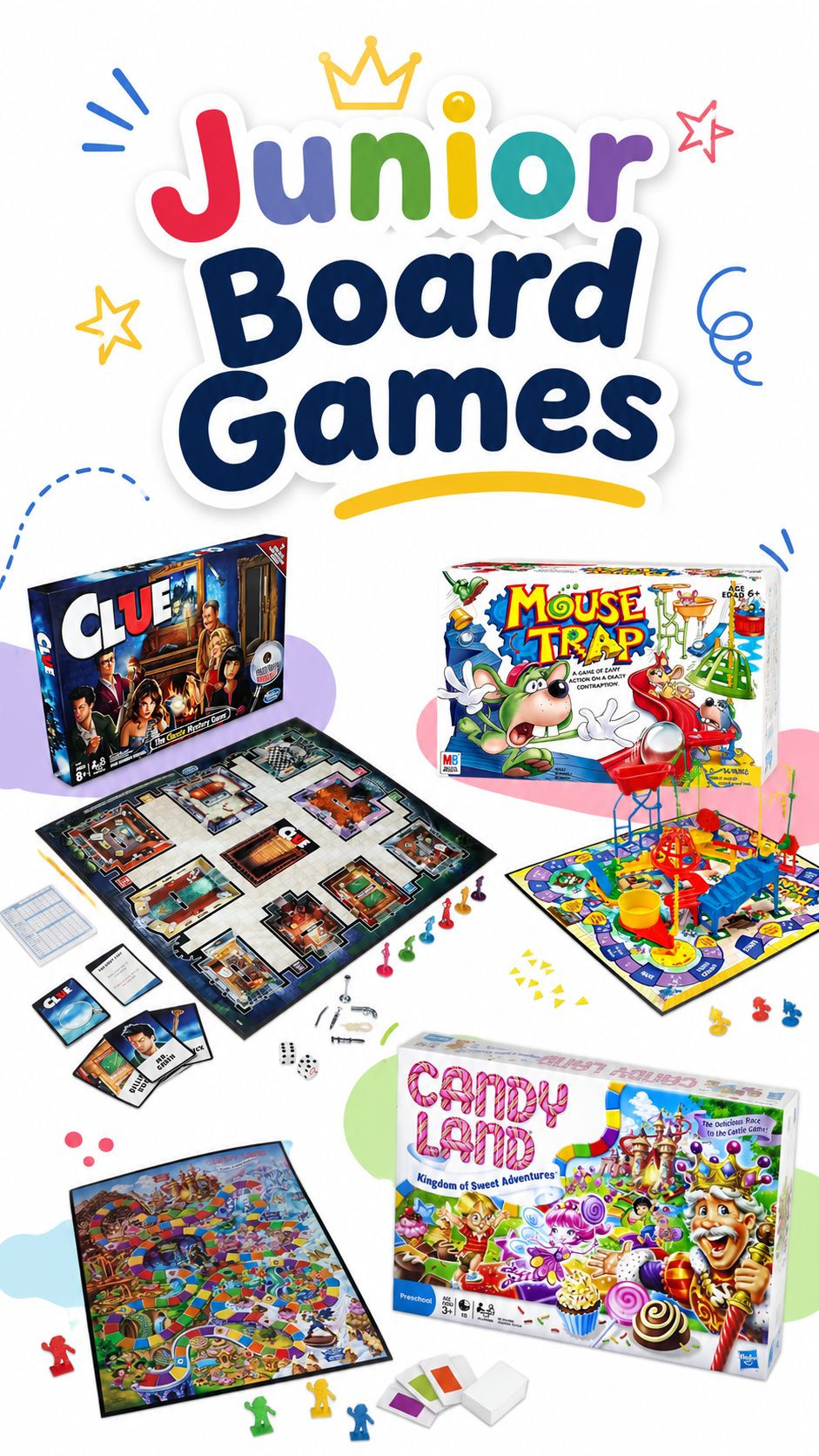
The biggest mistake parents can make is treating every junior board game as the same type of activity. Candy Land and Chutes and Ladders use simple movement and counting, while Hi Ho Cherry-O puts more attention on basic number changes. Clue asks older children to track information and solve a mystery, while Mouse Trap adds construction to the game. Other products, such as Crocodile Dentist and Pop Up Pirate, focus mainly on suspense and quick reactions.
That difference matters when choosing a game for a child. A child who enjoys numbers may prefer a counting game, while an active child may stay more interested in a physical or reaction-based game. Children who enjoy building may spend more time with Mouse Trap or Cootie than with a traditional board path. Looking at the actual gameplay gives parents a clearer idea of whether a game fits the child.
Which Junior Board Game Fits Your Child?
| If your child enjoys… | Consider |
|---|---|
| Color matching | Candy Land |
| Superheroes and dice | Spidey Yahtzee Jr. |
| Counting fruit | Hi Ho Cherry-O |
| Hands-on problem solving | Yeti in My Spaghetti |
| Mystery and deduction | Clue |
| Building and matching | Cootie |
| Fast physical action | Hungry Hungry Hippos Dino Edition |
| Surprise and suspense | Don’t Wake Daddy |
| Mario and quick reactions | TOMY Pop Up Super Mario |
| Active movement | Don’t Step in It! |
| Numbers and princess themes | Chutes and Ladders |
| Reaction games | Crocodile Dentist |
| Pirate-themed suspense | Pop Up Pirate |
| Construction and mechanics | Mouse Trap |
| Color sorting | The Sneaky, Snacky Squirrel |
| Patterns and strategy | Jax SEQUENCE |
From First Board Game to More Complex Play
Age is useful, but it is not the only thing to consider. The supplied list ranges from games aimed at children around three years old to options intended for children aged eight and older. Younger players may need games with simple rules, large visual cues, and short turns. Older children can handle games that ask them to remember information, make choices, or follow more detailed rules.
The progression does not have to happen in a fixed order. A six-year-old who loves building may enjoy Mouse Trap more than a simple counting game. Another child of the same age may still prefer a colorful matching game because that is the type of play they enjoy most. Use the recommended age as a starting point, then consider the child’s actual interests and ability to follow the game rules.
Board Games for Different Family Moments
Some games work well when everyone sits around a table. Others give children a reason to stand, move, or react quickly. Don’t Step in It! uses a floor mat, while Hungry Hungry Hippos Dino Edition focuses on fast physical actions. Compact games such as Yeti in My Spaghetti, Pop Up Pirate, and Crocodile Dentist can fit into smaller play areas.
Think about the family’s usual game time before buying. A longer mystery game may suit an older child who enjoys sitting and thinking, while a quick reaction game may work better when younger siblings are nearby. Games with many small pieces may also need a dedicated storage box. Matching the game to the family’s routine can make it easier to bring the product out regularly.
What Should Parents Look At Before Buying?
Start with the game mechanics, not the character or theme. A superhero game may still be a dice game, while a dinosaur game may focus mainly on quick physical reactions. Look at what players actually do during a turn and decide whether that activity matches the child’s interests.
Next, check the age recommendation and components. Some games contain small pieces, cards, tokens, or mechanical parts that need careful storage. Also consider the number of players and the available space in your home. A game that fits the child’s interests but does not fit the family’s usual play setup may end up being used less often.
The Bottom Line
The term Junior Board Games covers a much wider range of play than it may seem. These 16 products include counting games, color matching, mystery solving, construction, physical challenges, reaction games, and simple strategy. That variety gives parents more choices, but it also means the product should match the child’s preferred way of playing. Look at the activity, age range, number of players, and space needed before making your choice. A game that fits those details has a better chance of becoming a regular part of family game time rather than another toy that gets forgotten.