
Memory games can be simple, but the right one can keep children thinking, remembering, matching, and paying attention throughout the entire game. Some focus directly on finding pairs, while others ask children to remember sequences, recognize letters, or keep track of information during a social game. That variety makes memory board games a useful option when parents want something more engaging than another screen-based activity.
The five games below each bring a different style of play to the table. Younger children can start with colorful matching or alphabet games, while older kids may enjoy games that add sequencing, deduction, or social interaction. Instead of choosing a game based only on the word “memory” on the box, look at how the child actually plays and what type of challenge will keep them interested.
Memory Board Games for Kids
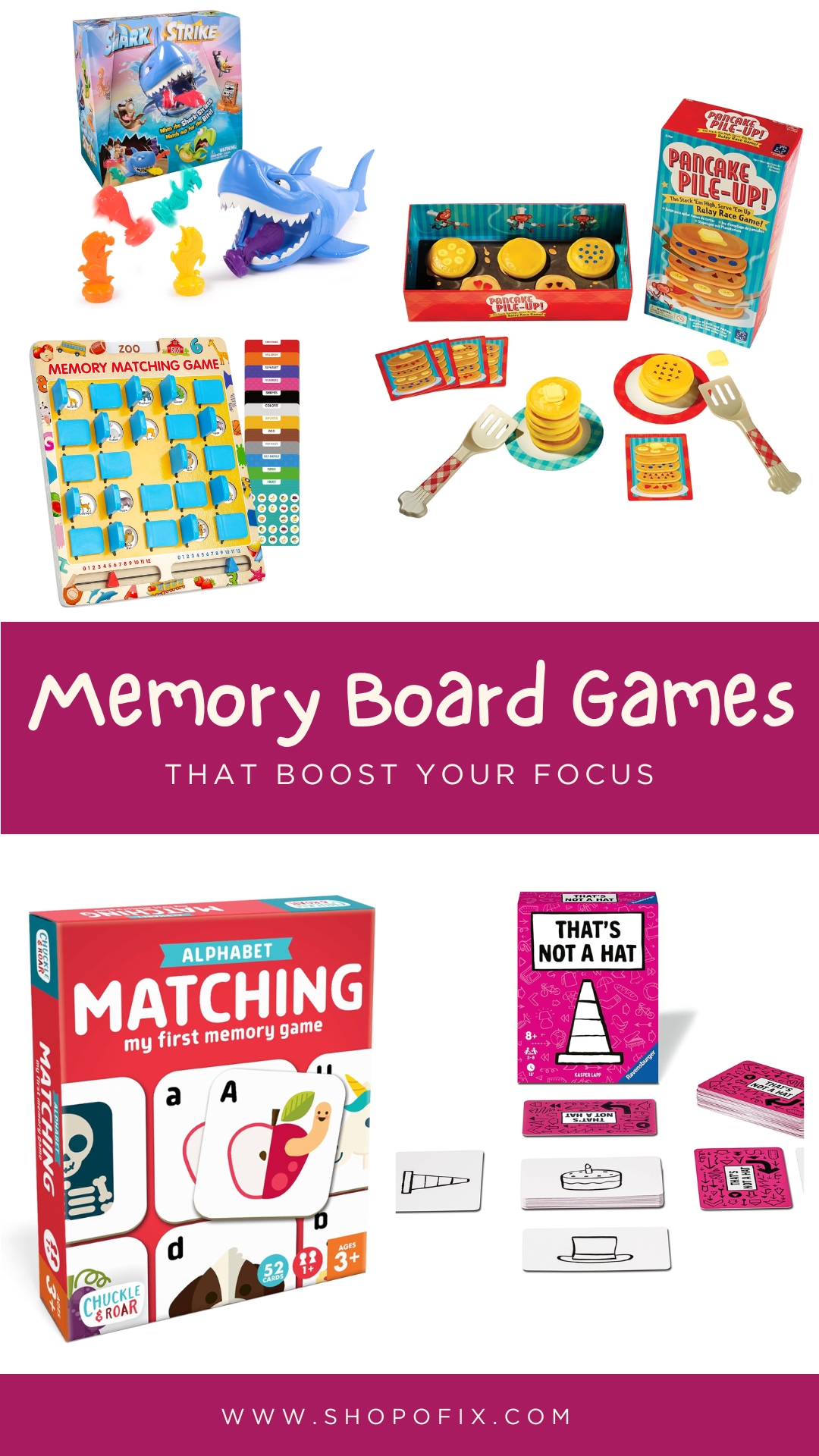
Recommendation Products
1. Matching Memory Game for Kids

A classic matching activity can give younger children an easy way to start practicing memory during play. Matching Memory Game for Kids is designed for children aged 3 to 8 and features a wooden grid, colorful pegs, and wooden caps that hide the colors underneath. Players need to remember where different colors are located as they lift the pieces and search for matches. Its compact design also makes it practical for family trips or play sessions away from home.
The game can become more interesting when siblings or parents join in. Taking turns and remembering previously revealed colors gives children a reason to pay close attention to what other players do. The wooden components can also be wiped with a damp cloth after the game. For younger children who are just becoming familiar with memory games, the straightforward matching format provides an easy starting point.
- Recommended Product: Matching Memory Game for Kids
2. Chuckle & Roar

Memory practice does not have to rely on identical pictures. Chuckle & Roar combines matching with early alphabet learning, using thick cardboard tiles, colorful illustrations, and uppercase and lowercase letters. Children can look for related letter pairs while also becoming more familiar with the alphabet. The format gives preschoolers a reason to study each card carefully before making a match.
The alphabet theme makes this game especially suitable for children who are beginning to recognize letters. Playing repeatedly can give them more opportunities to recall where certain letters or pictures appeared during previous turns. The pieces can be returned to the included storage box when the game is finished. It is a nice choice for parents who want a memory activity with an early-learning focus.
- Recommended Product: Chuckle & Roar
3. Pancake Pile-Up

Instead of searching for matching cards, Pancake Pile-Up asks children to remember and reproduce sequences using pretend pancakes. The set includes two plates, faux pancakes, spatulas, and sequence cards that guide the activity. Children aged 4 and up can study the requested arrangement and then work on creating the stack correctly. This adds a physical element to the memory challenge because players need to handle and organize the pieces as they play.
The stacking format also gives the game a playful race element. Children can concentrate on the order shown on the cards while managing the pancakes in front of them. The pieces can be stored together after the activity, making the game easy to bring out again for another round. For preschoolers who enjoy hands-on games more than traditional card matching, Pancake Pile-Up offers a different way to practice remembering sequences.
- Recommended Product: Pancake Pile-Up
4. Spin Master Games, Shark Strike, Bowling Game
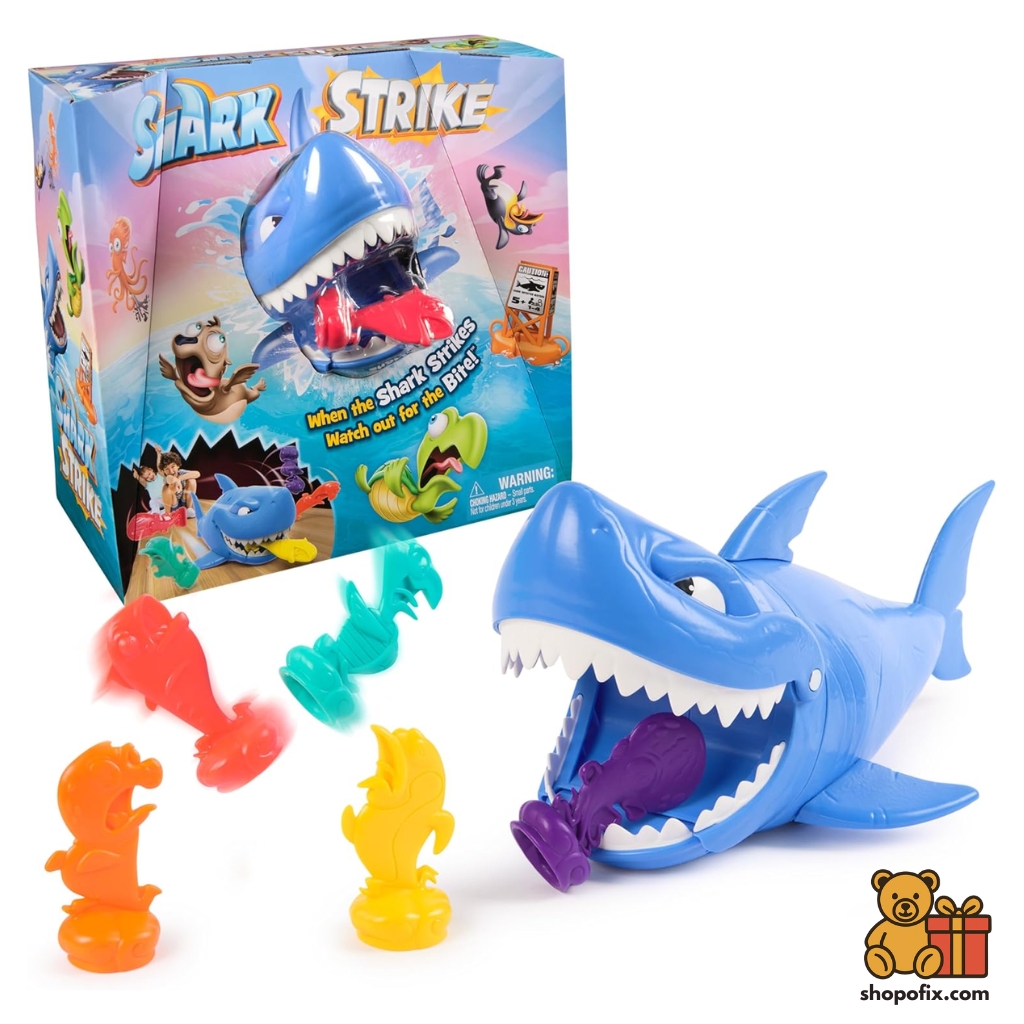
Shark Strike takes memory-style play in a more active direction. The game features a mechanical shark unit, a bowling lane, miniature pins, and a ball, giving children a physical activity rather than a traditional card-based challenge. Players need to pay attention to the game setup and control the ball as they try to knock down the pins. The moving shark element adds an extra feature that can keep children interested between turns.
This option may suit kids who find it difficult to sit through a quiet matching game. The bowling format lets them use their hands and body while participating in a family game. Once the session is over, the lightweight pins and other components can be returned to a toy box for storage. For families looking for something more active, Shark Strike brings a different pace to game night.
- Recommended Product: Spin Master Games, Shark Strike, Bowling Game
5. That’s Not A Hat

Older children can move beyond simple matching with That’s Not A Hat, a social game centered around remembering information during play. The set includes secret gift cards, penalty point tokens, and an instruction manual. Designed for children aged 8 and up according to the supplied information, it introduces memory recall through a social and competitive format. Players need to pay attention to what happens during the game rather than simply looking for identical cards.
The social element makes this game suitable for family gatherings, parties, or sleepovers. Children can interact with other players while trying to keep track of information and make their decisions. The card format also makes the game easy to store and bring out whenever a group wants to play. For older kids who have moved beyond basic matching games, this provides a more interactive memory challenge.
- Recommended Product: That’s Not A Hat
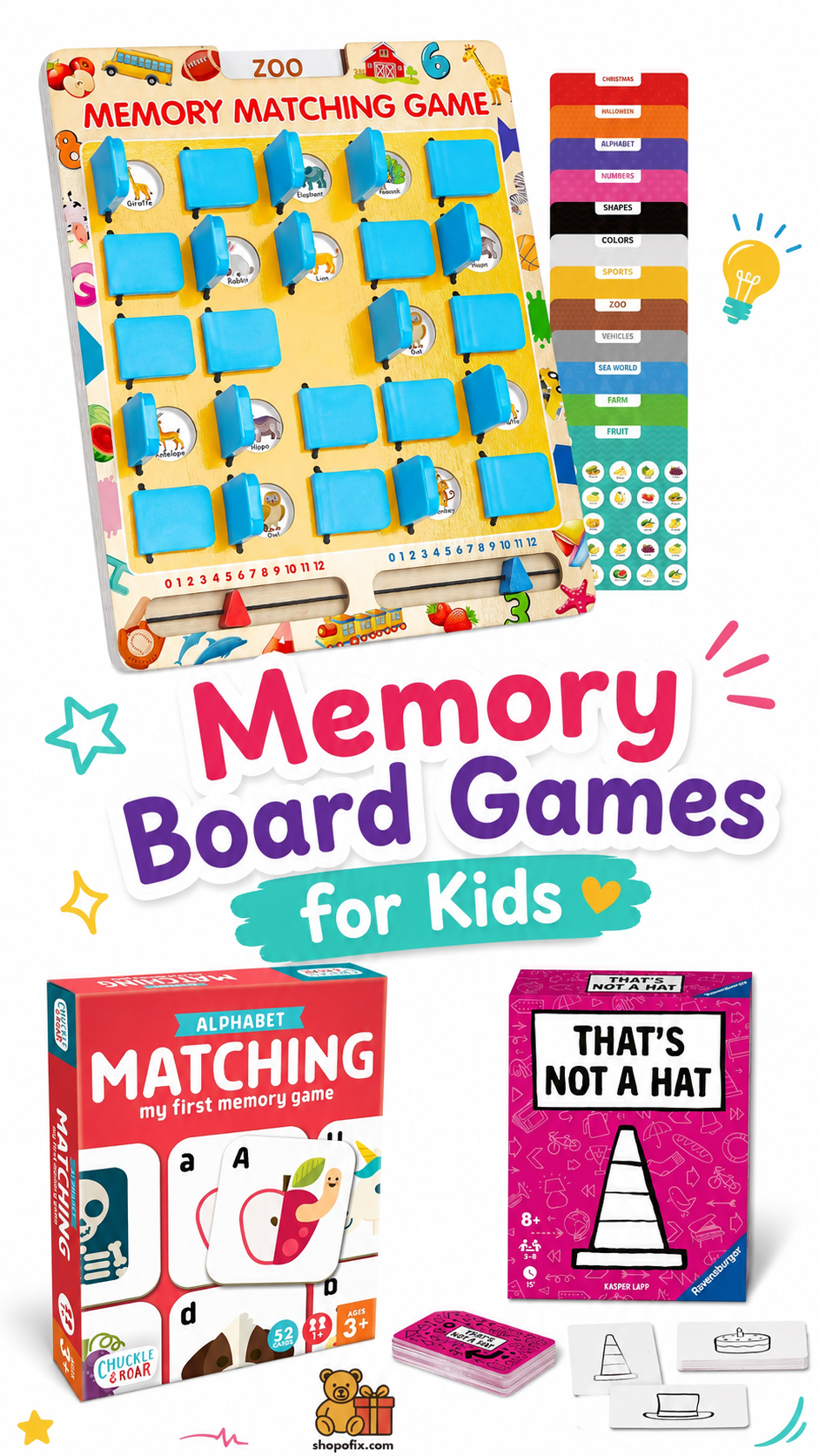
Which Memory Game Fits Your Child?
The biggest difference between these games is the way children use their memory during play. A traditional matching game asks them to remember locations, while an alphabet game combines recall with letter recognition. Pancake Pile-Up introduces sequences, Shark Strike adds physical action, and That’s Not A Hat places memory into a social game.
| Game | Main Play Style | Age Information in Source | Good For |
|---|---|---|---|
| Matching Memory Game | Color matching | 3–8 | Young children learning basic memory play |
| Chuckle & Roar | Alphabet matching | Preschoolers | Memory plus early literacy |
| Pancake Pile-Up | Sequence and stacking | 4+ | Hands-on memory challenges |
| Shark Strike | Bowling and physical play | Not specified | Active family game sessions |
| That’s Not A Hat | Social recall and deduction | 8+ | Older kids and group play |
Memory Games for Younger Kids
Younger children often benefit from games with simple rules and clear visual information. Matching Memory Game for Kids uses colorful pegs and hidden wooden caps, while Chuckle & Roar connects matching with letters and illustrations. These formats give children a clear objective while they learn how the game works.
Pancake Pile-Up is another option for preschoolers who enjoy moving pieces rather than turning cards. Its sequence cards change the task from simply finding pairs to remembering an arrangement. Choosing between these games can depend on whether the child prefers visual matching, early learning, or physical hands-on activities.
Memory Games for Older Kids
As children become comfortable with basic matching games, they may enjoy activities that require them to remember more information while interacting with other players. That’s Not A Hat provides a social format for children aged 8 and up, while games with sequencing or physical challenges can also make memory play more varied.
The goal does not have to be finding the hardest game. A better fit is usually a game that gives the child enough challenge to stay engaged while still being easy enough to understand and enjoy. Playing with siblings, parents, or friends can also make these games more interesting because children have to pay attention to what happens around them.
Pick the Memory Challenge They Actually Enjoy
Memory board games can look similar at first, but these five options offer very different experiences. Some children will enjoy quietly searching for matching colors, while others will prefer arranging pancakes, knocking down bowling pins, or keeping track of information during a social game.
That is why the best starting point is the child’s preferred play style. Choose matching for a straightforward introduction, alphabet games for a learning-focused activity, sequencing for a hands-on challenge, active bowling for energetic play, or social recall for older children who enjoy playing with a group. When the memory challenge is built around something the child already enjoys, game time becomes much easier to keep engaging.
Playing matching games on a quiet afternoon is a fantastic way to train your child’s brainpower, patience, and concentration skills without any stress. Once their brains have finished exercising and they want to dive into a world of pure pixelated gaming adventure, we have the perfect transition for them. You will definitely want to check out these highly recommended minecraft toys for kids that your little ones will absolutely love!