
Choosing a first musical instrument for a child can be surprisingly difficult. A piano teaches one kind of skill, while a guitar requires finger coordination, a drum set focuses on rhythm, and a saxophone introduces breath control. Size matters too, especially when a child is still growing and the instrument needs to feel comfortable to play. Instead of choosing only by appearance, parents should think about the child’s age, interests, practice space, and the type of music they enjoy.
This list includes eight different instruments, from a full digital piano and acoustic guitar to violin, cello, saxophone, keyboard, drums, and ukulele. Some are designed for structured music lessons, while others offer a more casual way to start making music. There are also clear differences in size and portability between them. If you are searching for the Best Music Instruments for Kids, these options can help you compare different ways for children to begin learning music.
Best Musical Instruments for Kids
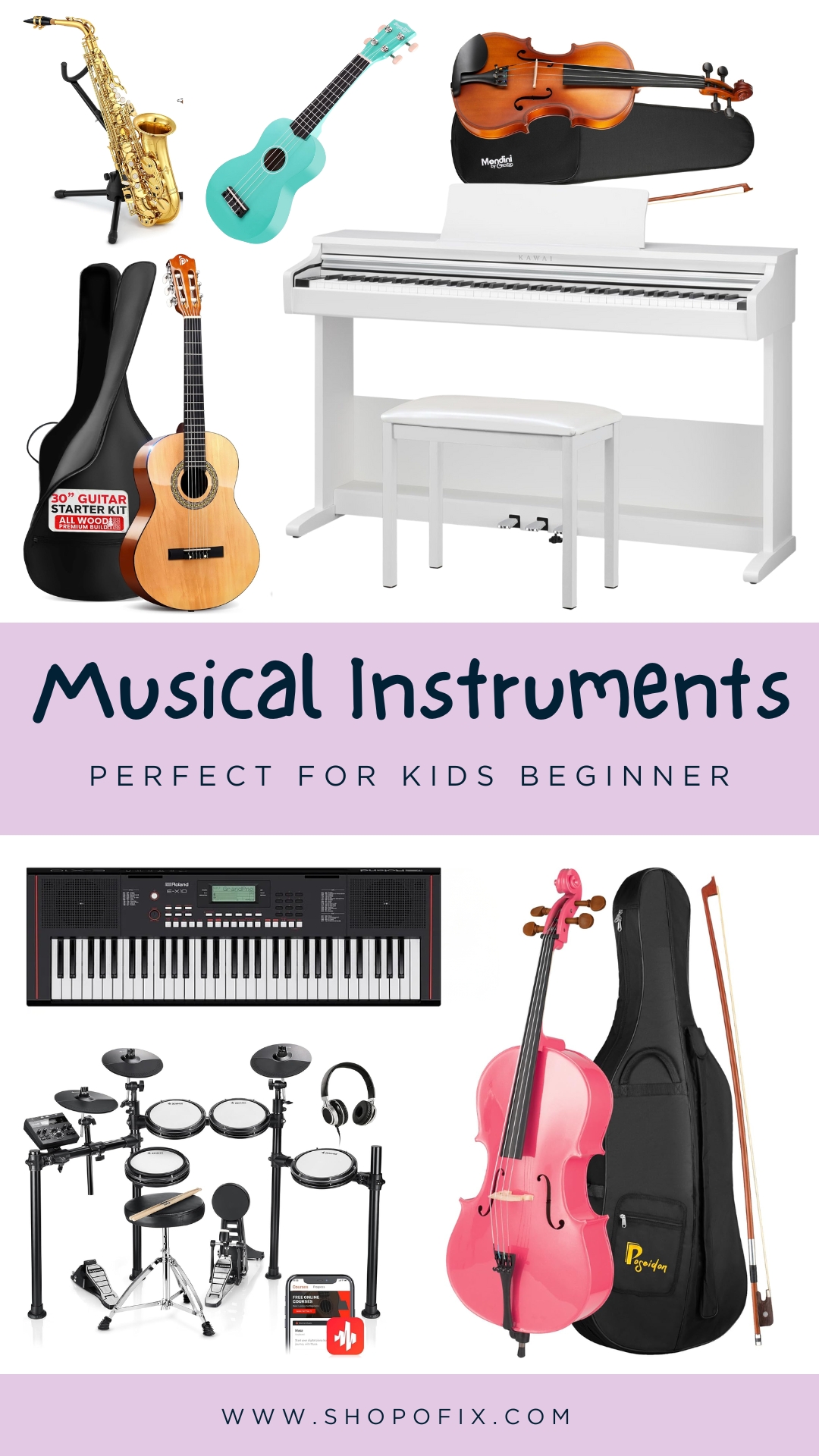
Recommendation Products
1. Piano
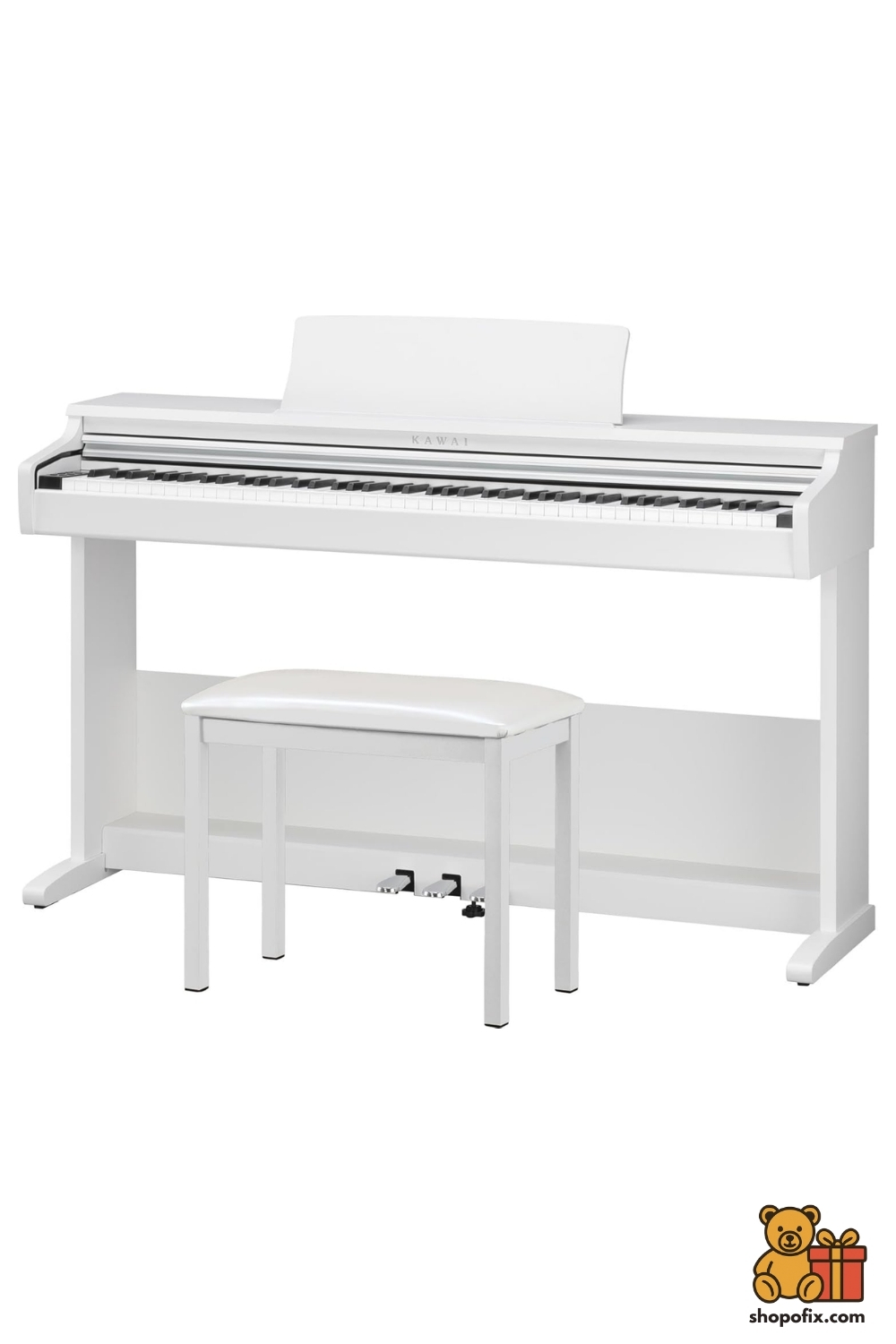
A digital piano can give a serious beginner a structured place to practice every day. Kawai Digital Piano features 88 keys, a grand piano simulation, Harmonic Imaging sound technology, Responsive Hammer Compact weighted action, and integrated Alfred Piano Lessons. The weighted keyboard gives young students a more traditional piano-style playing experience while they practice finger movement and muscle memory. Its wooden cabinet stand also makes it suitable for a permanent music area at home.
The dual-headphone listening mode gives siblings or parents a way to listen together during practice. The package also includes three pedals, an English manual, and a power adapter. Families can keep the piano against a living room wall and wipe the key surfaces with a dry cloth after practice. Kawai Digital Piano is a strong choice for children who want to take piano learning seriously.
- Recommended Product: Kawai Digital Piano
2. Guitar
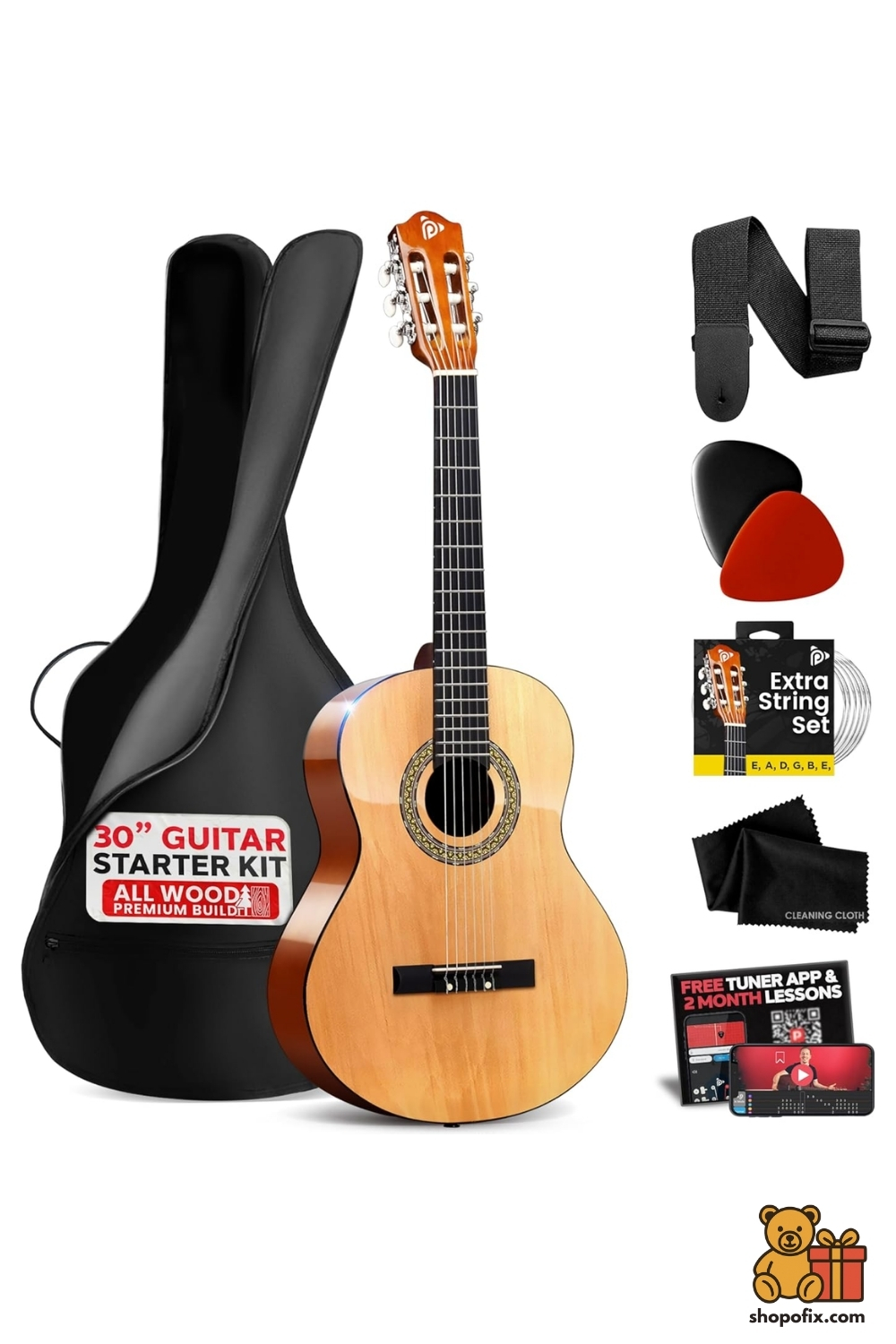
A smaller guitar can make the first string instrument easier for young players to handle. Pyle 1/4 Acoustic Guitar is described for children aged 6 to 9 and includes a small wooden body, fabric gig bag, adjustable strap, pitch tuner, capo, and plastic picks. Its nylon strings give children a softer string option while they practice basic chords and finger movements. The compact body also makes it easier to create a dedicated music corner in a child’s room.
Learning guitar involves more than simply plucking the strings. Children can begin to recognize pitch and practice moving their fingers into different positions on the fretboard. Parents can keep the guitar on a low shelf and wipe the wooden neck with a dry microfiber cloth after practice. Pyle 1/4 Acoustic Guitar is an approachable option for children who want to learn a portable string instrument.
- Recommended Product: Pyle 1/4 Acoustic Guitar
3. Drum
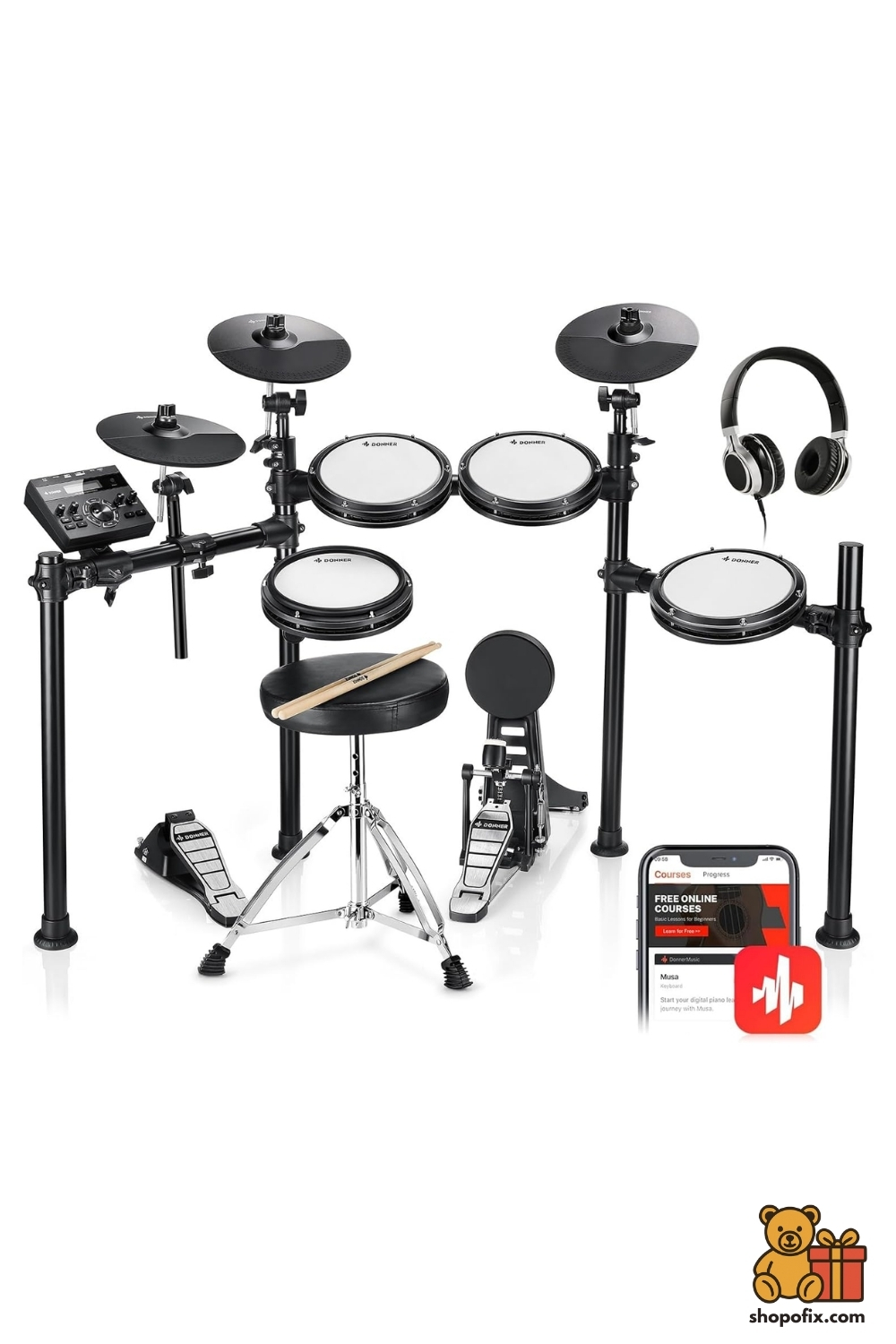
Some children naturally want an instrument that lets them move. Donner DED-200 Electric Drum Sets includes a dual-zone mesh snare pad, three mesh tom pads, a bass kick pedal, and three responsive cymbals. The electronic design also allows players to connect headphones, making practice more practical when you want to reduce the sound in the room. Children can work on rhythm, timing, and coordination while using both hands and feet.
The mesh surfaces give young players a way to practice different drum movements and patterns. The steel rack frame provides the main structure, while the non-slip rubber borders help keep the setup stable during play. The frame can also fold down for easier storage in a smaller room. Donner DED-200 Electric Drum Sets is worth considering for energetic children who want an active musical activity at home.
- Recommended Product: Donner DED-200 Electric Drum Sets
4. Violin
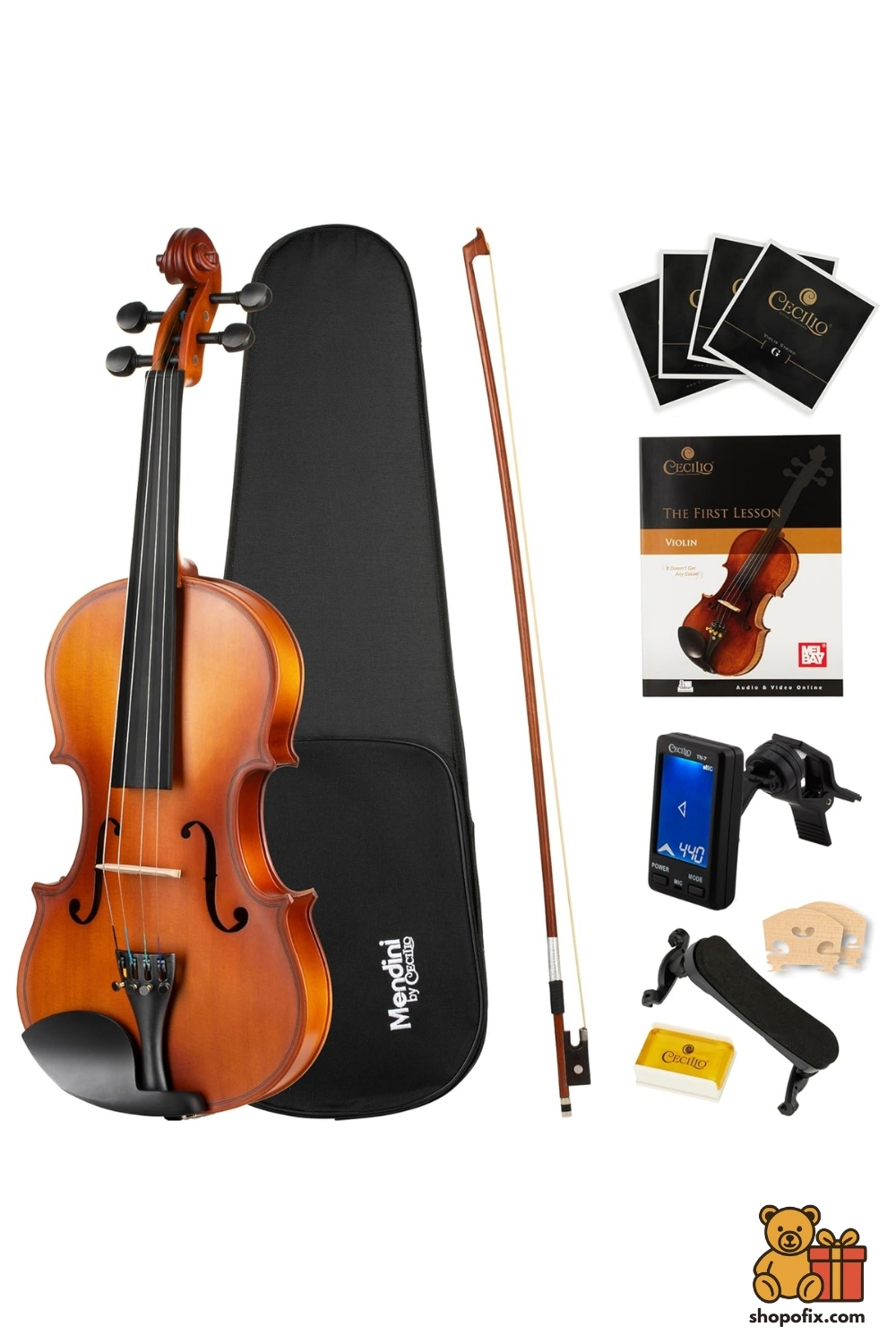
The violin offers a very different learning experience from piano or drums. Mendini By Cecilio 1/4 Violin includes a solid spruce wood top, maple wood back, alloy tailpiece with four fine tuners, and a wooden bow. Children need to coordinate their fingers with bow movement while learning where to place their fingers for different pitches. The complete setup can also be carried in its case to music lessons.
Learning violin requires careful attention to sound and hand position. Drawing the bow across the strings also introduces children to vibration and resonance through direct practice. Parents can help with basic tuning before lessons and keep the instrument stored safely in its case between sessions. Mendini By Cecilio 1/4 Violin can suit focused young learners who are interested in classical or orchestral music.
- Recommended Product: Mendini By Cecilio 1/4 Violin
5. Keyboard
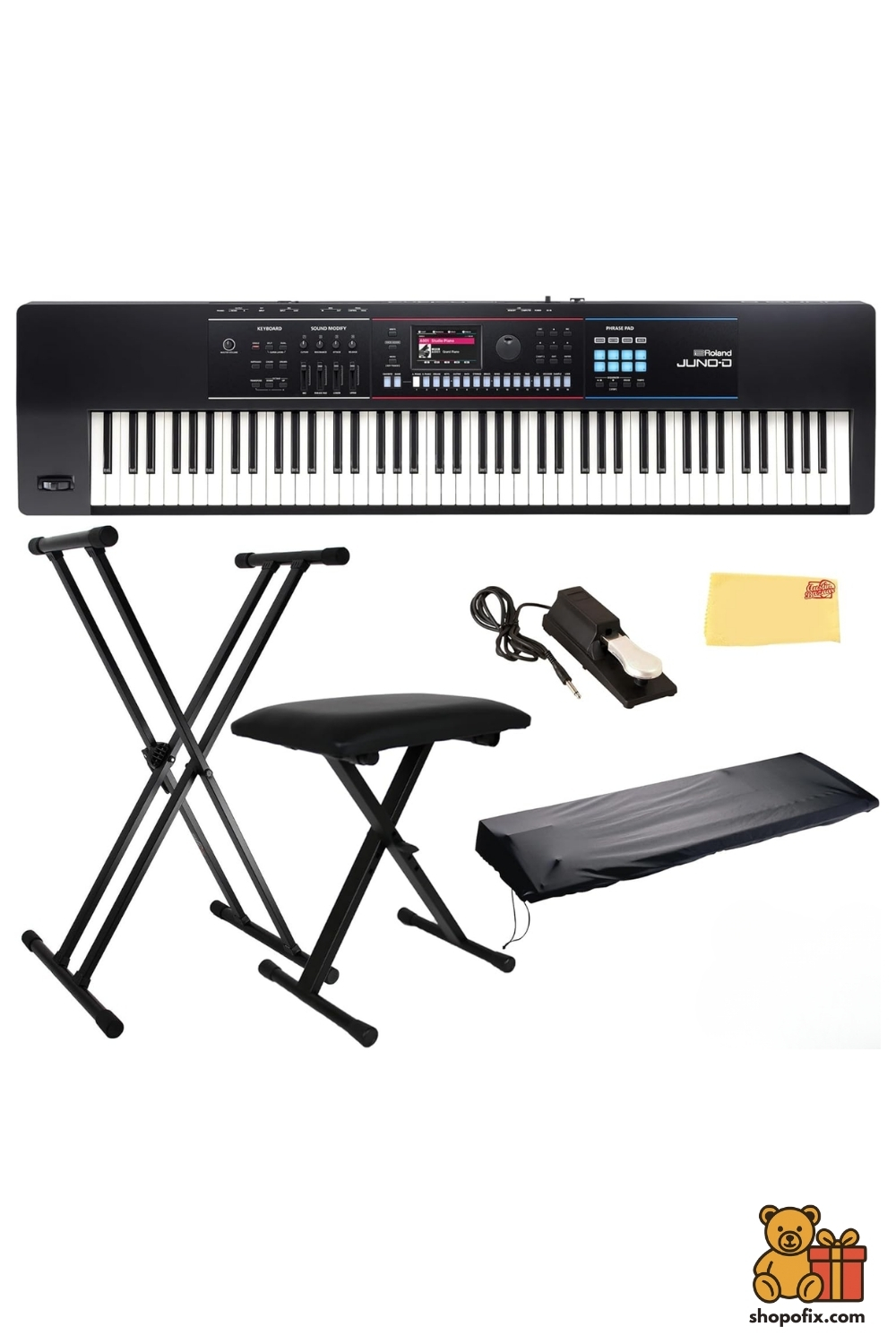
A keyboard gives young musicians more room to explore different sounds. Roland Keyboard features 88 weighted piano keys, a ZEN-Core sound engine, more than 3,800 tone patches, and physical mixing sliders. The controls allow teenagers to experiment with different sounds and begin exploring arrangement and digital music production. Its USB-C power connection also gives the instrument more flexibility for different setups.
This is a very different choice from a basic beginner keyboard. The large selection of sounds gives creative teenagers more ways to experiment with their own music. The package includes an adjustable metal stand, padded bench, sustain pedal, and access to online video lessons. Roland Keyboard is better suited to young musicians who want to explore both keyboard playing and digital sound creation.
- Recommended Product: Roland Keyboard
6. Cello

The cello can introduce children to the deeper sound of an orchestral string instrument. Poseidon 1/4 Size Cello features a solid spruce wood top, maple wood sides, a glossy pink finish, and standard steel strings. Its size makes it suitable for young children who want to participate in school orchestra activities. Children can practice posture, bow movement, and listening to lower-frequency sounds while learning.
The bow gives children another physical skill to master because they need steady arm movement across the strings. The adjustable endpin allows the cello to stand during play and practice. Parents can use the included soft gig bag when transporting it to school or lessons. Poseidon 1/4 Size Cello is an interesting choice for children who are drawn to orchestral music and larger string instruments.
- Recommended Product: Poseidon 1/4 Size Cello
7. Saxophone
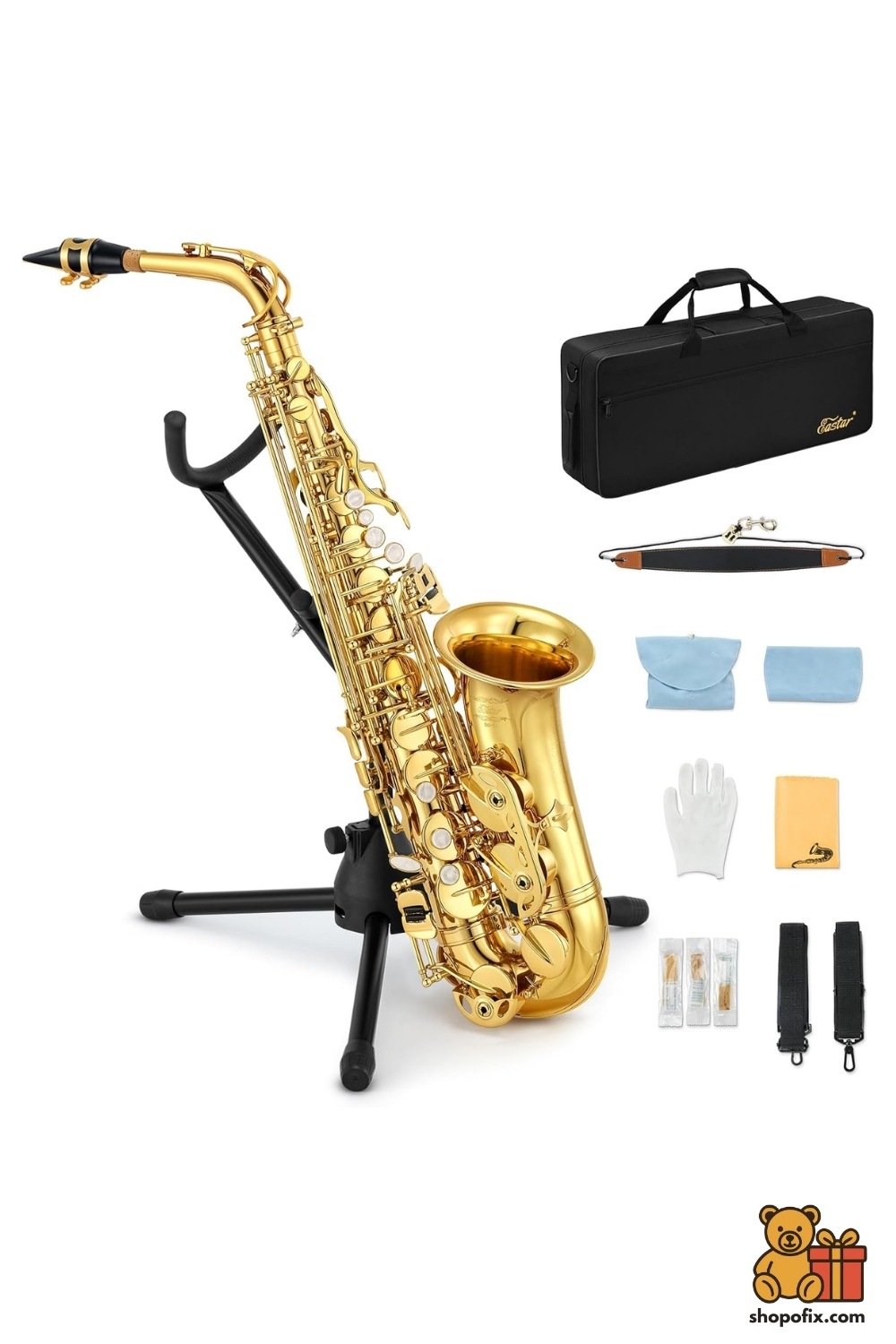
A saxophone can appeal to children who enjoy wind instruments and want to join a school band. Eastar Student Alto Saxophone has a lacquered brass body, leather pads, steel needle springs, and an E-flat tuning scale. Playing it requires children to coordinate breath control with finger movements while producing different notes. The included hard shell case provides a dedicated place to store the instrument between practices.
The package also includes a folding stand, padded neck strap, plastic mouthpiece, reeds, and a cleaning swab. Children can use these accessories as part of their regular playing and care routine. The included swab can help clean the inside of the instrument after use. Eastar Student Alto Saxophone is a suitable option for students interested in school band or wind music.
- Recommended Product: Eastar Student Alto Saxophone
8. Ukulele
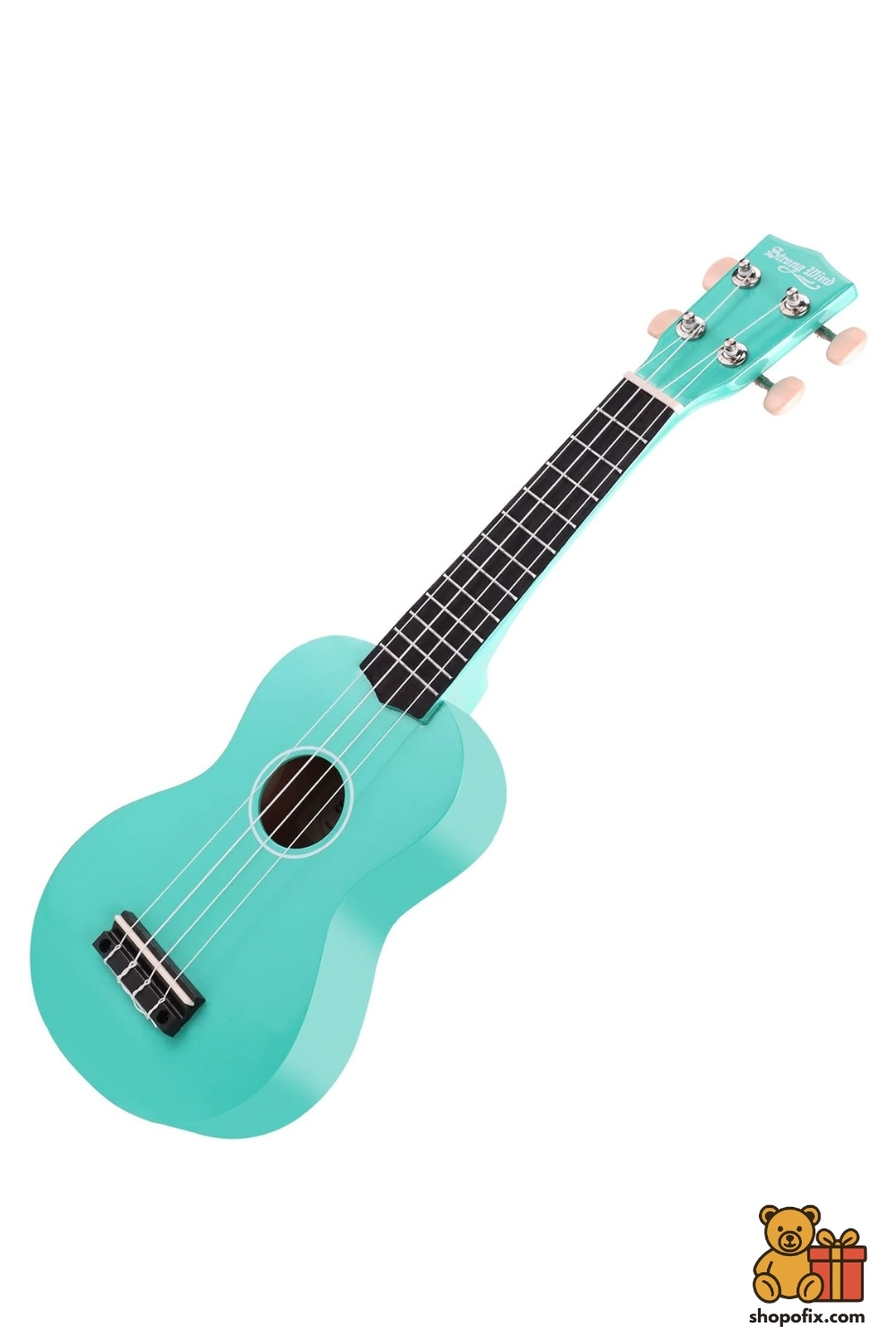
A ukulele gives children a smaller string instrument to explore. Strong Wind Soprano Ukulele has a 21-inch body, four nylon strings, an open-gear tuning system, and a basswood body. Its compact size makes it easy to carry to backyard activities, parks, or other family outings. Children can start exploring basic chords and simple fingerpicking without handling a full-size guitar.
The nylon strings provide a softer option for young fingers during early practice. The set also includes a carrying bag, chord charts, and a plastic pick, giving beginners several useful accessories from the start. Parents can use a clip-on electronic tuner to help with setup. Strong Wind Soprano Ukulele is a fun choice for children who want a portable instrument for simple songs and casual practice.
- Recommended Product: Strong Wind Soprano Ukulele
Which Instrument Matches Your Child?
There is no single instrument that suits every young musician. The better starting point is to think about how your child likes to play and learn.
| If Your Child Enjoys… | Consider | Main Focus |
|---|---|---|
| Structured practice | Piano | Keys, finger movement, music lessons |
| Plucking and chords | Guitar | Finger coordination and chords |
| Active movement | Drums | Rhythm and limb coordination |
| Careful, focused practice | Violin | Pitch, bowing, finger placement |
| Creating different sounds | Keyboard | Sound selection and arrangement |
| Orchestral music | Cello | Bowing, posture, resonance |
| School band | Saxophone | Breath control and finger movement |
| Simple portable music | Ukulele | Chords and fingerpicking |
This comparison also shows why age and body size matter. A 1/4 guitar, violin, or cello can offer a more manageable physical setup for young players, while an 88-key instrument is a much larger commitment in terms of space and practice setup. The product information specifically lists the Pyle guitar for ages 6 to 9 and the other 1/4-size string instruments as child-oriented options.
Think About Where They Will Practice
Space can affect the experience just as much as the instrument itself. A digital piano needs a permanent or semi-permanent place, while a ukulele or guitar can be stored on a shelf. The Donner electric drum set offers headphone practice and a foldable frame, which can make it more practical for homes with limited space.
You should also think about how the instrument will travel. A violin, cello, guitar, and saxophone can all be transported using the included cases or bags described in the product information. A portable instrument can be useful when a child attends lessons outside the home or participates in school music activities.
Match the Instrument to the Music Goal
A child who wants to learn classical piano has different needs from a teenager who wants to experiment with digital music. Likewise, a student preparing for school band may need a saxophone rather than a ukulele.
Think about the activity your child wants to do:
- Learn classical pieces: Piano or violin
- Play chords and simple songs: Guitar or ukulele
- Practice rhythm: Electric drums
- Join an orchestra: Violin or cello
- Join a school band: Saxophone
- Explore music production: Keyboard
- Take music outdoors: Ukulele or guitar
Starting with the child’s actual interest can make practice feel more meaningful. It also gives parents a clearer idea of which instrument will fit the child’s routine.
Make the First Instrument a Good Fit
A first instrument can introduce much more than music. Children can develop coordination, listening skills, patience, rhythm, and confidence as they practice. But the experience will be different for every child.
The Best Music Instruments for Kids in this list cover several playing styles and skill levels. Piano and keyboard offer structured key-based learning, guitar and ukulele introduce string playing, drums bring rhythm into physical movement, and orchestral instruments such as violin, cello, and saxophone require more focused technique. Choose based on your child’s age, interests, available practice space, and musical goals, then give them time to discover what they enjoy playing.
Watching our little rockstars express themselves, find their rhythm, and play happy tunes around the house brings so much lively energy to our days. When the house gets a bit too noisy and you want to guide them toward active physical play out in the fresh air instead, upgrading their backyard gear is perfect. Make sure to explore our favorite outdoor toys for winter to keep them moving all season long!